Lavender: A Natural Ally in Pest Control
Lavender is a beautiful and fragrant plant that has been cherished for centuries. Known for its purple flowers and calming scent, it grows in many gardens around the world. This plant comes from the Mediterranean region, where it thrives in sunny, dry conditions. People love lavender not just for its looks and smell, but also for its ability to help keep pests away naturally. In this article, we will explore what lavender is, how it works against pests, which bugs it repels, and simple ways to use it in your home and garden.
What Is Lavender?
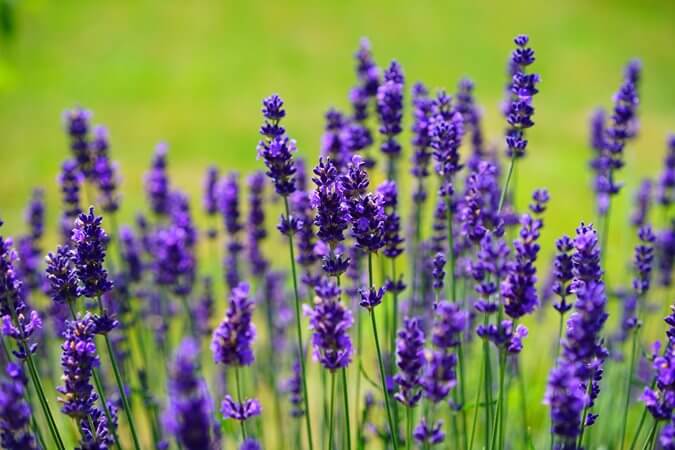
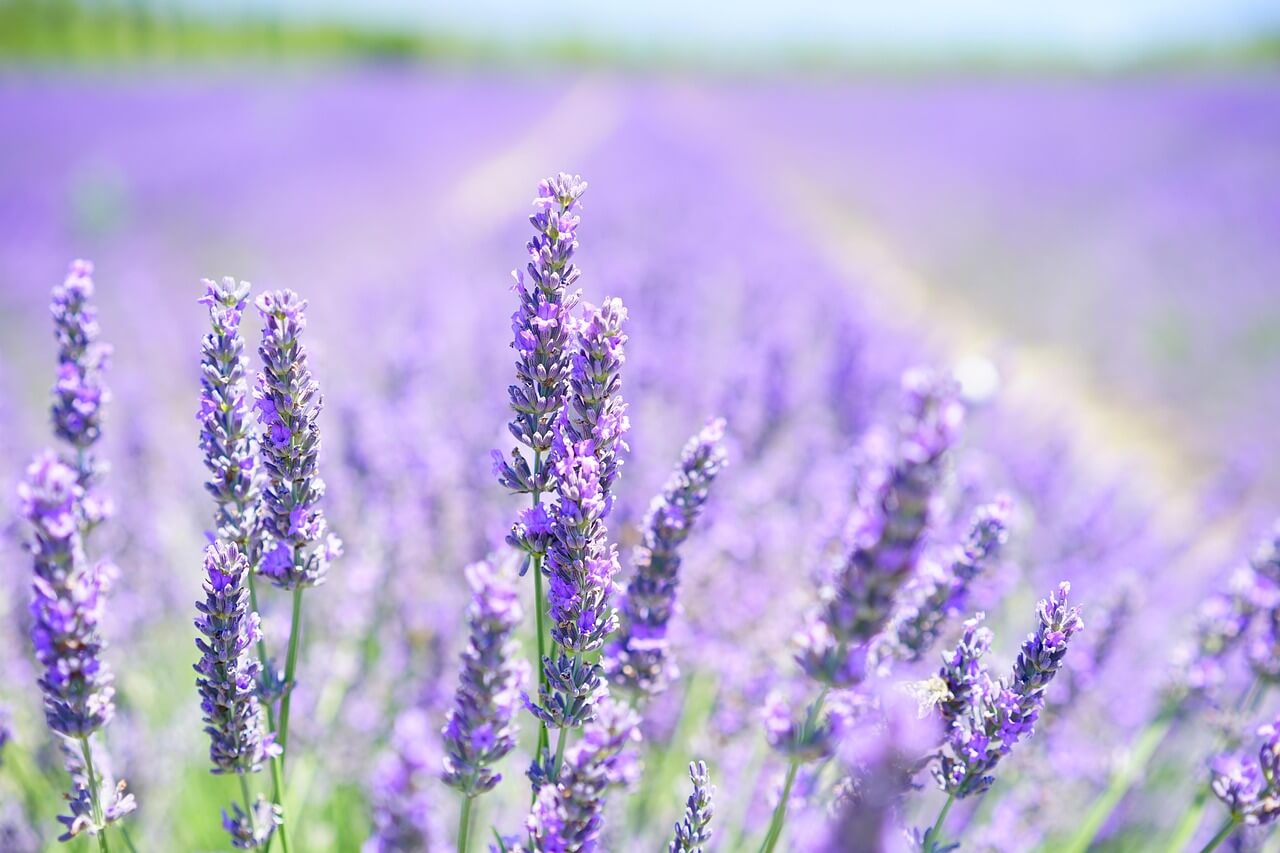
Lavender belongs to the mint family and has the scientific name Lavandula. There are many types, but the most common ones are English lavender (Lavandula angustifolia), French lavender (Lavandula stoechas), and lavandin hybrids like 'Grosso' or 'Provence'. These plants are shrubs that can grow up to three feet tall. They have narrow, gray-green leaves and produce long stems topped with clusters of small purple, blue, or pink flowers.
Lavender loves full sun and well-drained soil. It does not like wet feet, so it grows best in sandy or rocky ground. The plant blooms in summer, filling the air with its sweet, herbal scent. This smell comes from natural oils in the flowers and leaves, mainly compounds called linalool and linalyl acetate. These oils are what make lavender so useful for relaxation—and for keeping pests away.
People have used lavender for thousands of years. Ancient Egyptians put it in mummies, Romans added it to baths for its clean smell, and in the Middle Ages, it was believed to ward off diseases. Today, we use it in soaps, candles, teas, and even cooking. But one of its best features is as a natural pest repellent.

How Does Lavender Repel Pests?
The secret to lavender's pest control power lies in its strong scent. Insects and some animals have sensitive smell receptors. To them, lavender's aroma is overwhelming or confusing. It masks scents that attract pests or directly irritates their senses. The main compounds—linalool, camphor, and others—act as natural repellents.
Unlike chemical pesticides that kill bugs, lavender mostly deters them. It makes areas less inviting, so pests choose to stay away. This is safer for people, pets, and the environment. Studies show that lavender essential oil can repel mosquitoes for several hours when applied properly. Other research supports its use against moths, fleas, and stored-product insects. For best results, varieties with higher camphor, like lavandin hybrids, are often more effective.
Lavender also attracts helpful insects, such as bees and butterflies, which pollinate plants. This balance makes it great for gardens—it repels bad bugs while welcoming good ones.
Which Pests Does Lavender Repel?
Lavender works against many common pests. Here are some of the main ones:
- Mosquitoes: These biting insects hate lavender's smell. Planting it near patios or using oil sprays can reduce bites during outdoor time.
- Moths: Clothes moths damage fabrics. Dried lavender sachets in closets keep them out and leave a fresh scent.
- Flies: House flies and fruit flies avoid areas with strong lavender aroma.
- Fleas and Ticks: Lavender deters these parasites, making it useful for pet areas or outdoor spaces.
- Aphids and Other Garden Pests: In gardens, lavender repels aphids, whiteflies, and some beetles that harm vegetables.
- Rodents: Mice and rats dislike the scent. Placing dried lavender or oil near entry points can discourage them.
- Deer and Rabbits: Larger animals may avoid gardens bordered with lavender.
Lavender is not perfect—it may not stop heavy infestations alone. But it is a gentle, effective part of natural pest management.
Scientific Evidence Supporting Lavender's Benefits
Research backs up lavender's repellent effects. Studies from sources like the National Institutes of Health show that lavender oil repels mosquitoes effectively in tests. One report notes protection lasting hours at certain concentrations. Other experiments confirm it works against ticks, fleas, and stored-grain pests.
Experts note that essential oil is stronger than fresh plants, but both help. Live plants provide ongoing scent in gardens, while oil offers concentrated use. Lavender is safer than many chemicals and supports eco-friendly pest control.
Practical Ways to Use Lavender for Pest Control
Planting Live Lavender
- Grow it around garden edges, near doors, or in pots on patios. This creates a natural barrier.
- Pair it with vegetables like tomatoes or cabbage as a companion plant to protect them from aphids.
Dried Lavender Sachets
- Fill small cloth bags with dried flowers.
- Place in drawers, closets, or under furniture to repel moths and fleas.
- Refresh by squeezing to release more scent.
Dried lavender sachets are a traditional and effective way to protect clothes and linens from moths.
Lavender Essential Oil
- Dilute with water (about 20 drops per cup) for a spray.
- Apply to skin, clothing, or surfaces. Always test for irritation first.
- Soak cotton balls and place in pest-prone areas.
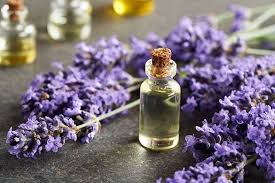

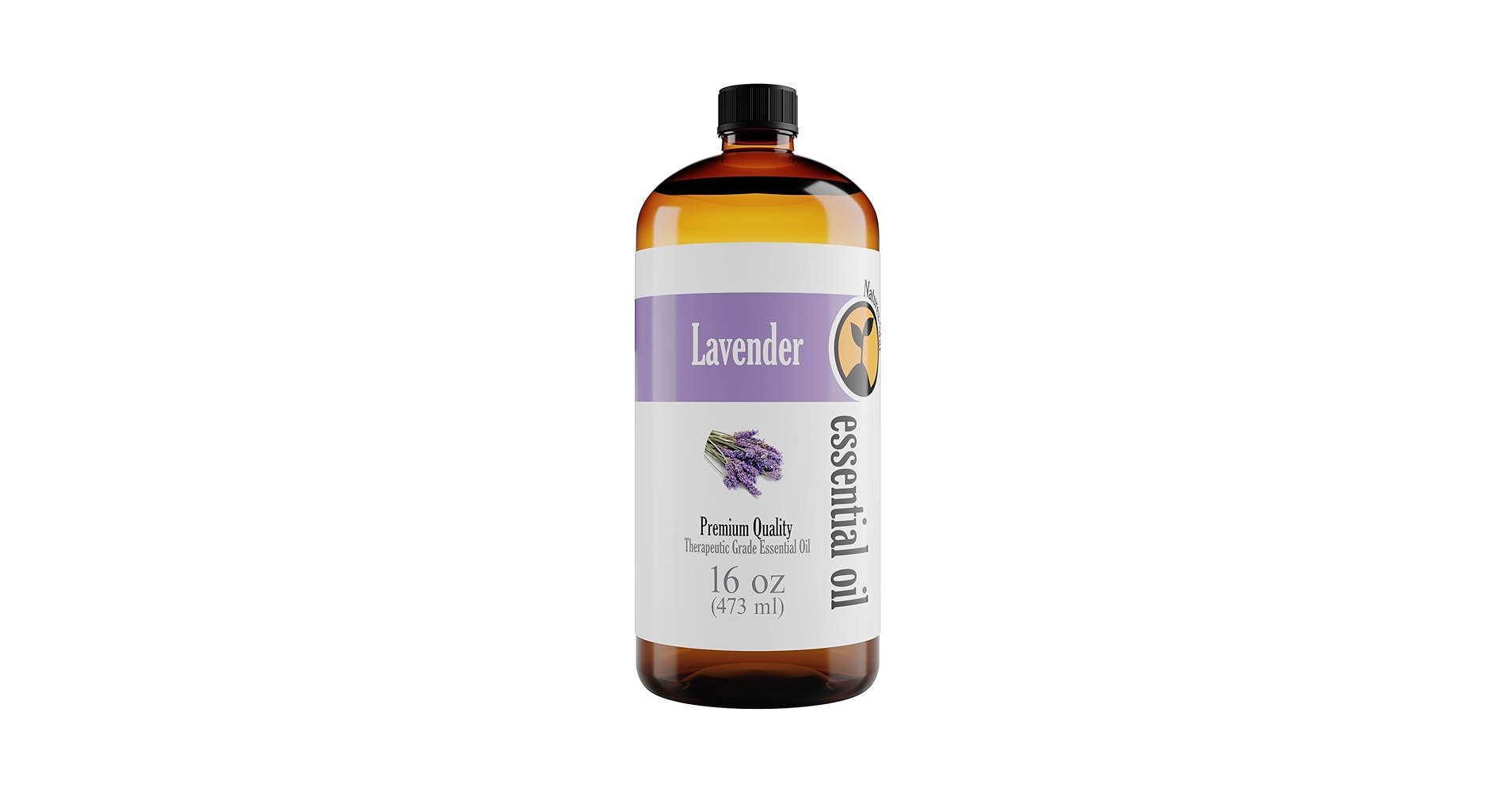
Bottles of lavender essential oil provide a concentrated form for making sprays or direct application.
Other Ideas
- Use dried flowers as mulch around plants.
- Make potpourri with lavender and other herbs like rosemary.
- Add to pet bedding (check with a vet first).
Safety Tips and Limitations
Lavender is generally safe, but dilute oil to avoid skin irritation. It can be toxic to cats in large amounts, so use caution around pets. Reapply sprays often, as natural repellents fade faster than chemicals.
Lavender works best for prevention and mild problems. For severe pests, combine with other methods.
Conclusion
Lavender is more than a pretty plant—it is a versatile tool for natural pest control. Its pleasant scent repels many unwanted insects and animals while attracting pollinators. By growing it, using dried forms, or making simple sprays, you can create a safer, more enjoyable home and garden. Embrace lavender for its beauty, aroma, and practical benefits in keeping pests at bay.
Need Help With Persistent Pest Problems?
Natural repellents like lavender are great for prevention, but heavy infestations often need a stronger, targeted plan. PestGone provides professional all-natural pest control for Southwest Florida homes.
Get a Free Quote