Spiders of Florida: A Guide to Common Species
This comprehensive guide to common species of spiders of Florida will help you identify and understand the eight-legged creatures that share our state. Florida's warm and humid climate makes it a perfect home for many kinds of spiders. These eight-legged creatures play an important role in nature by eating insects like flies, mosquitoes, and other pests. Most spiders in Florida are harmless to people and help keep bug populations under control. Only a few types can cause problems if they bite, and even then, serious issues are rare. This article looks at some of the most common spiders found in Florida. We will describe what they look like, where they live, how they behave, and whether they are dangerous. Learning about them can help you feel more at ease when you see one.
Southern Black Widow Spider
The Southern Black Widow is one of the most well-known spiders in Florida. The female has a shiny black body with a bright red hourglass shape on the bottom of her belly. Females are larger, about the size of a quarter including legs, while males are smaller and less dangerous.
These spiders like dark, quiet places such as woodpiles, sheds, garages, and under rocks. They build messy, irregular webs to catch insects. Black widows are shy and only bite if they feel threatened, like if someone touches them by accident.
A bite from a female can be painful and cause muscle cramps, sweating, and nausea. It is important to see a doctor right away if bitten, but deaths are very rare today thanks to good medical care.
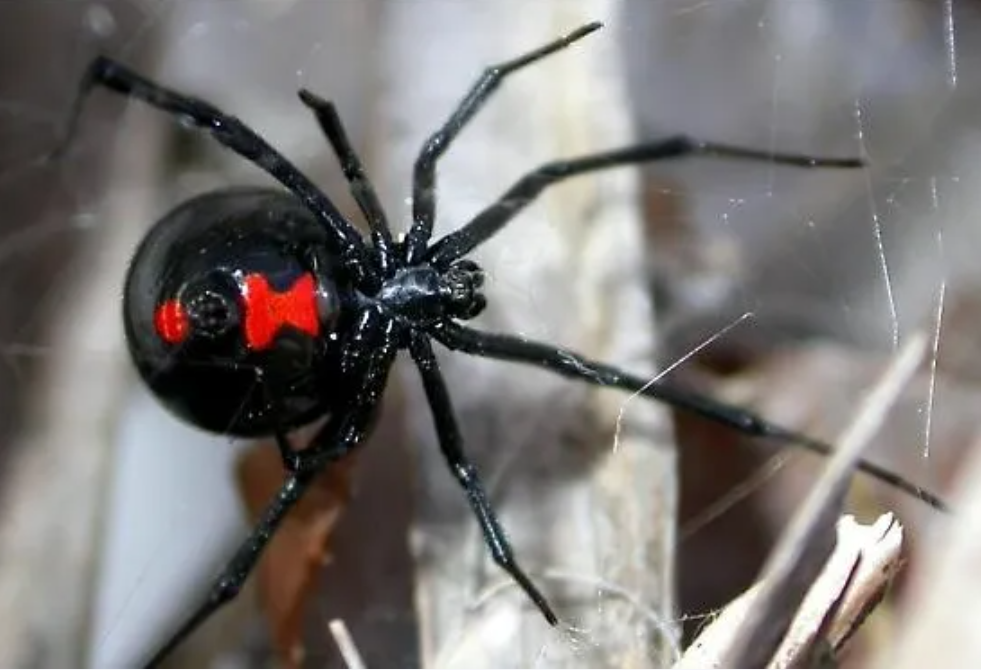
Image credit: Penn State Extension
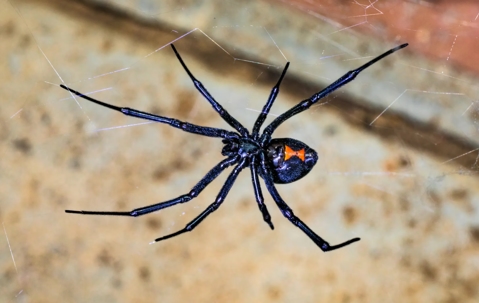
Image credit: Native Pest Management
Brown Widow Spider
The Brown Widow is becoming more common in Florida. It looks similar to the black widow but has a brown or gray body with an orange or yellow hourglass mark. Its web often has spiky egg sacs that look like little balls with points.
Brown widows live in similar places as black widows, like under furniture, in closets, or around buildings. They are not as aggressive, and their bite is usually less severe, causing pain and swelling but rarely serious problems.
These spiders help control pests by eating insects.
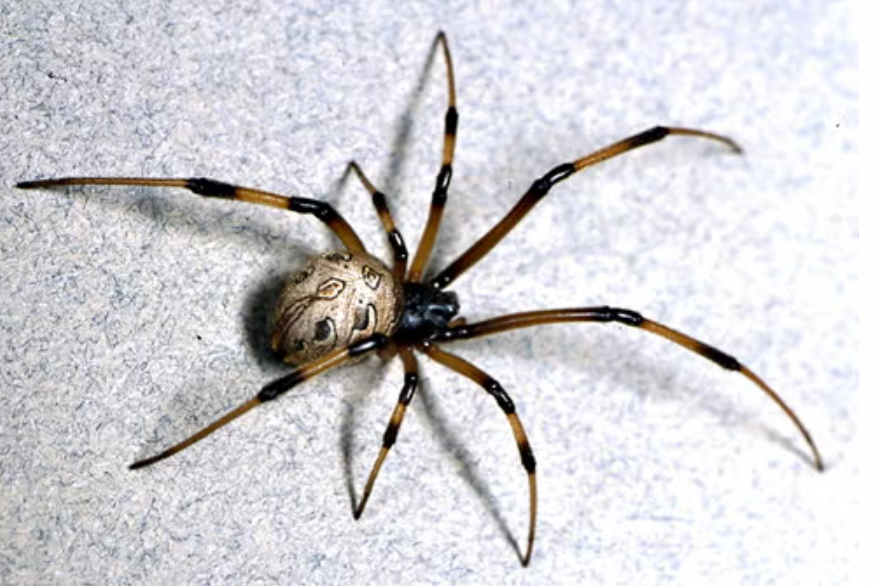
Image credit: UC Riverside Center for Invasive Species Research
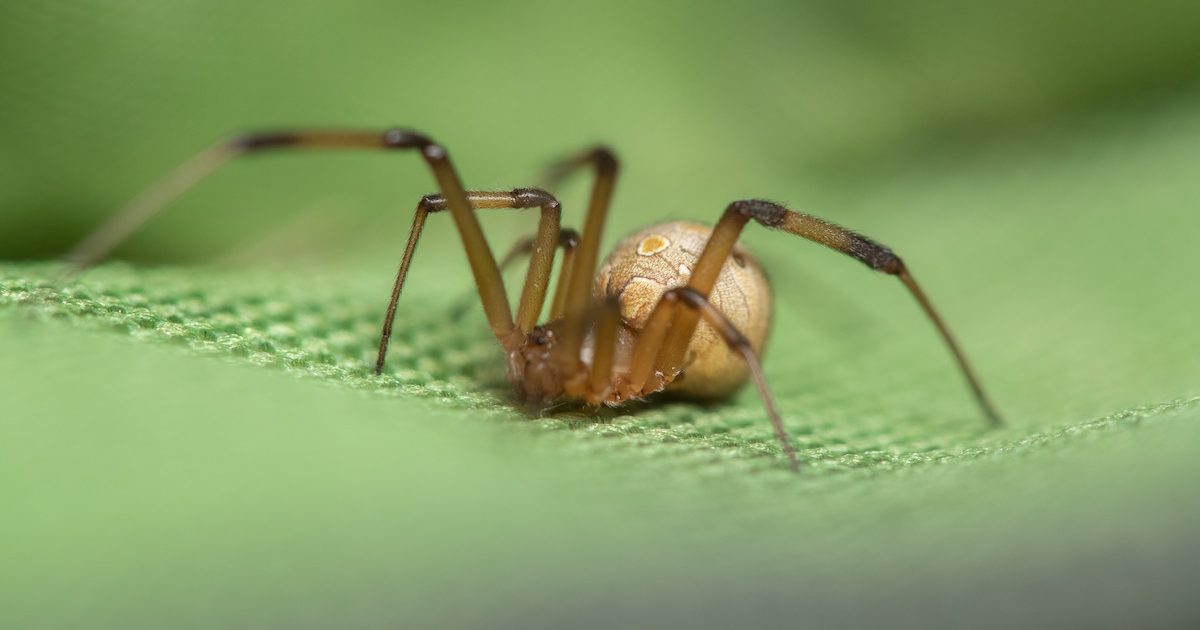
Image credit: Drivebye Exterminators
Golden Silk Orb-Weaver (Banana Spider)
The Golden Silk Orb-Weaver, often called the Banana Spider, is one of the largest web-building spiders in Florida. Females can have a leg span of up to three inches. They have long bodies with yellow and black colors, and their webs shine golden in the sunlight because of special silk.
These spiders build big, strong orb-shaped webs in woods, gardens, and along trails. The webs can stretch many feet across. They eat flying insects like mosquitoes and flies.
Banana spiders are harmless to people. Their bite might feel like a bee sting, but they rarely bite humans.
 1.jpg)
Image credit: SW Spotlight
 2.jpg)
Image credit: Wikipedia - Nephila
Wolf Spider
Wolf spiders are big, hairy hunters that do not build webs to catch food. They chase down prey on the ground, using good eyesight. In Florida, the Carolina Wolf Spider is common and can grow large.
They have brown or gray bodies with dark markings. Mothers carry their babies on their backs, which is a cute sight.
Wolf spiders live in grass, under leaves, or sometimes enter homes. They are fast and can startle people, but their bite is not dangerous—just like a mild bee sting.
They are helpful because they eat many pests.
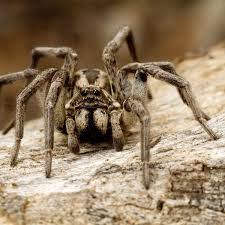
Image credit: Derwent Estuary
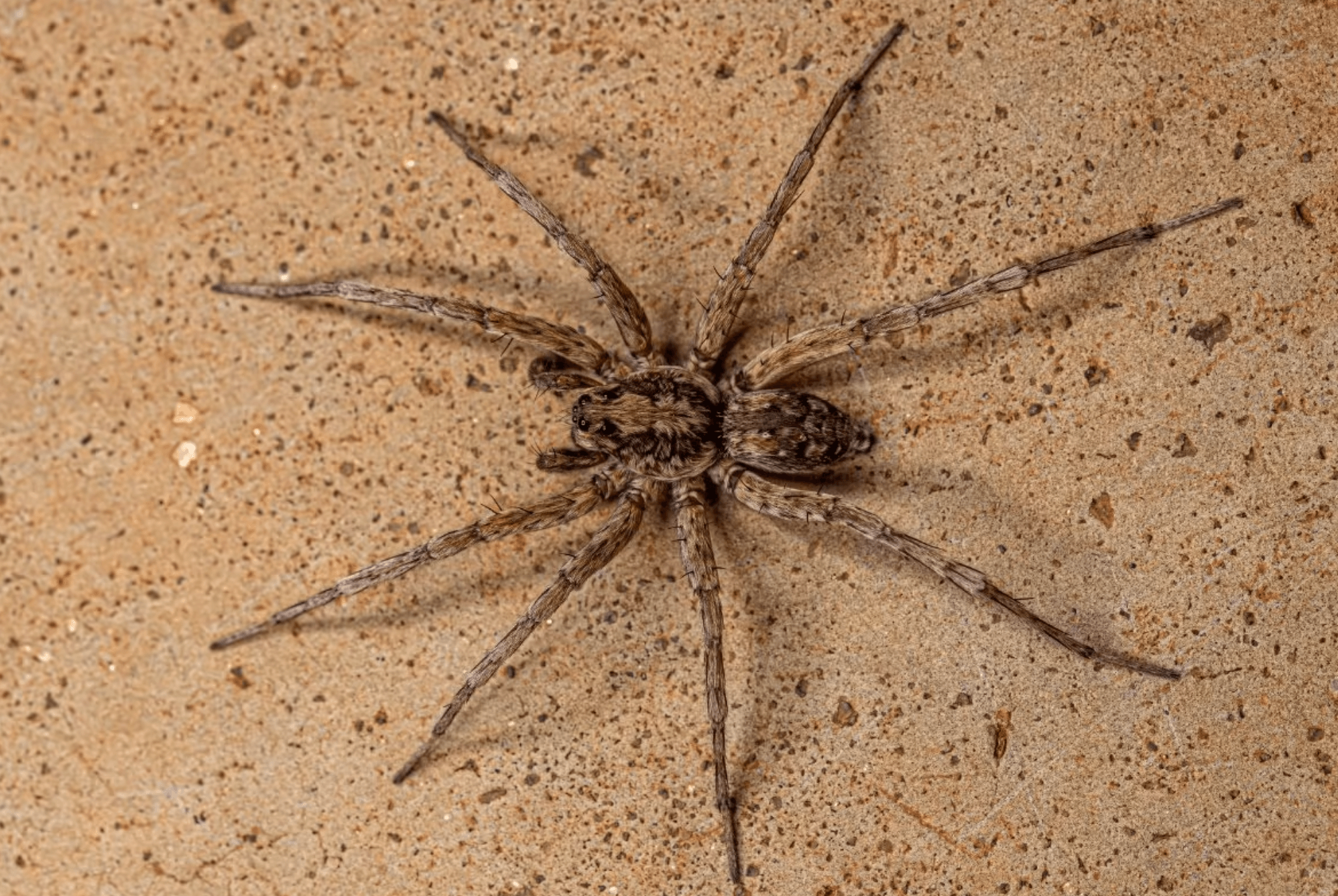
Image credit: Owlcation
Spiny Orb-Weaver
The Spiny Orb-Weaver is small but easy to spot because of its bright colors and spikes on its belly. The abdomen can be white, yellow, orange, or red with black spots, and has six pointed spines.
They build wheel-shaped webs in gardens and shrubs. These spiders eat small insects.
They are completely harmless to humans and add beauty to Florida plants.
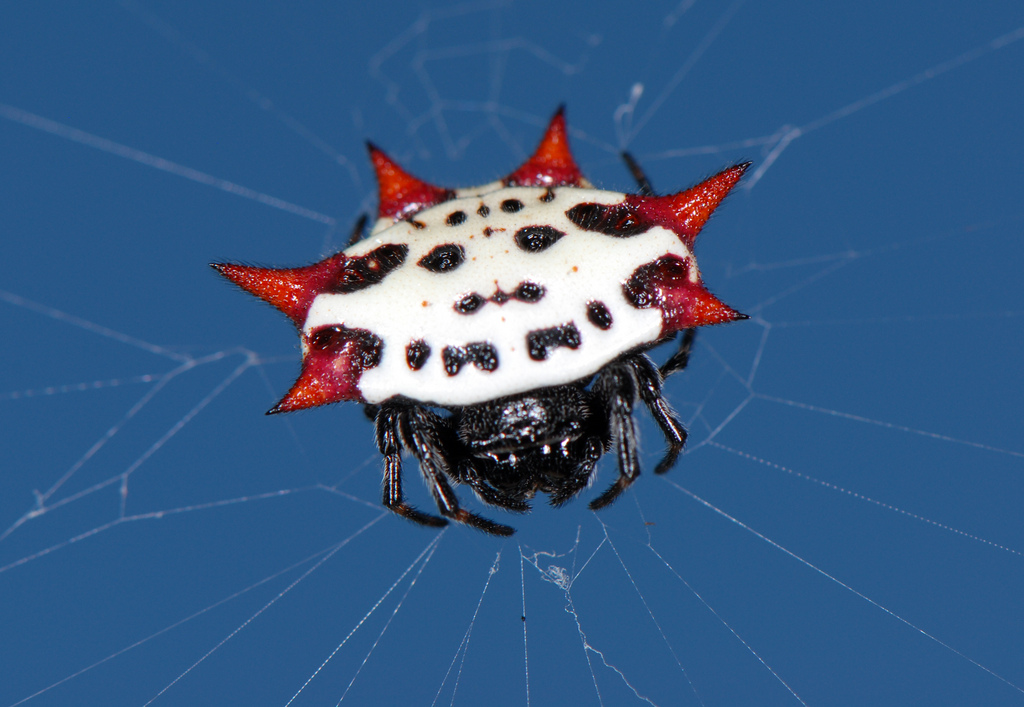
Image credit: Wikipedia - Gasteracantha cancriformis
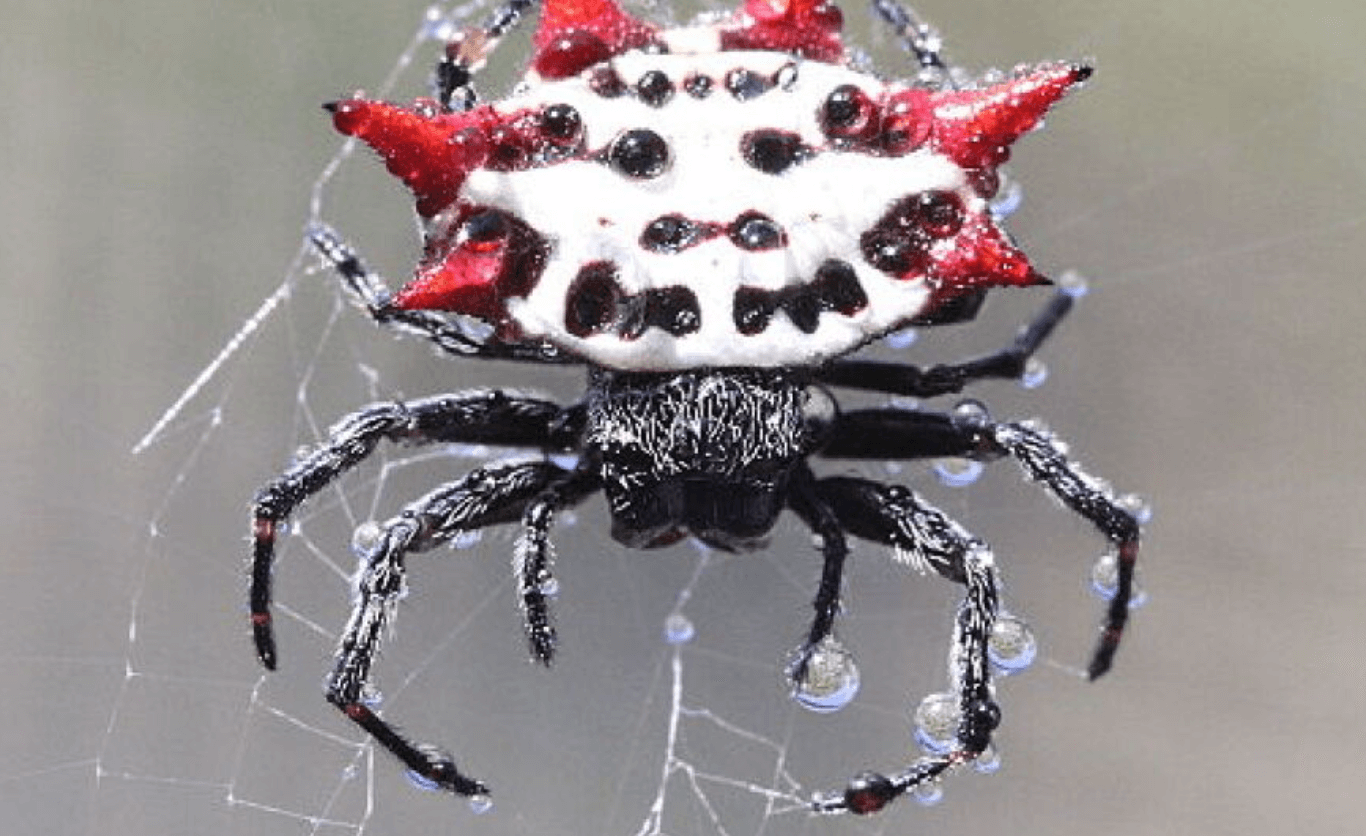
Image credit: South Carolina Public Radio
Brown Recluse Spider
The Brown Recluse has a violin-shaped mark on its back, which is why it is sometimes called the fiddleback spider. It is light brown and small.
True Brown Recluses are rare in Florida; most reports are misidentifications. They like dark indoor spots if present.
A bite can cause a sore that heals slowly, but many supposed bites are other problems. Seek medical help if you suspect a bite.
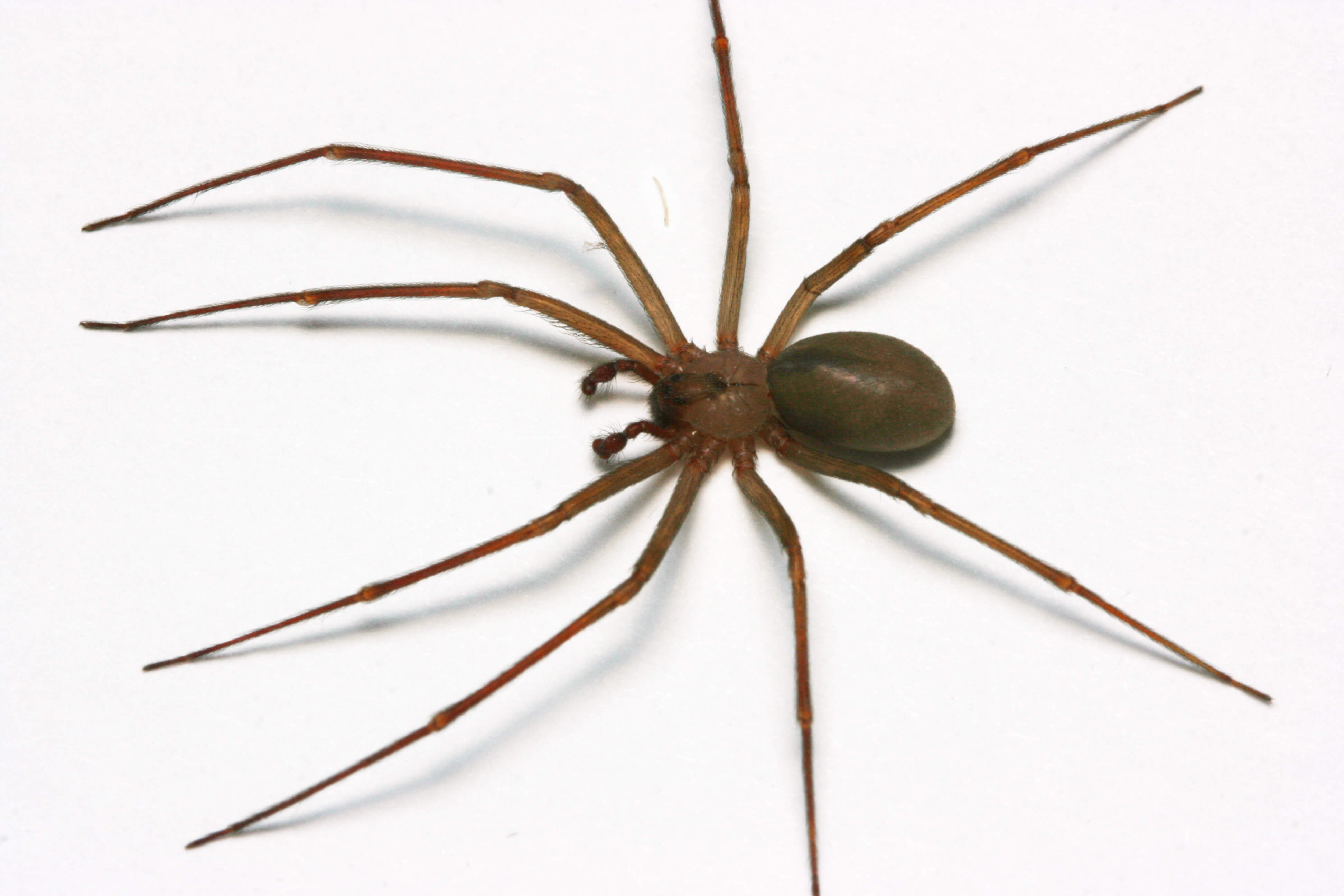
Image credit: Texas A&M AgriLife Extension
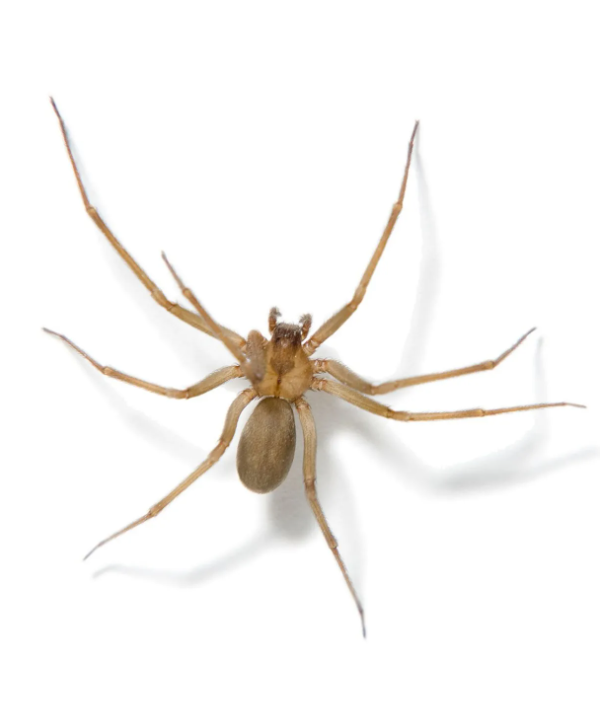
Image credit: TERRO
Black and Yellow Garden Spider
The Black and Yellow Garden Spider, also called the Argiope, is large with bold black and yellow patterns. Females build big webs with a thick zigzag in the center.
They live in gardens and fields, eating insects caught in their webs.
These spiders are safe for people and great for natural pest control.
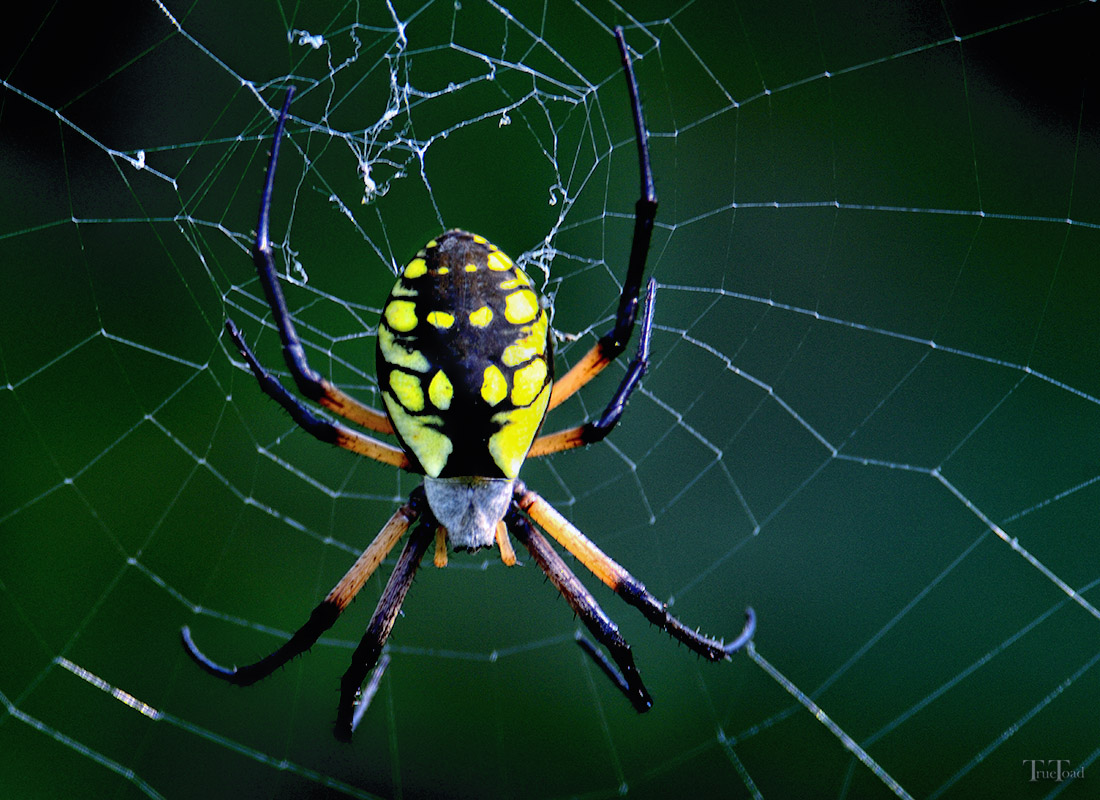
Image credit: True Toad
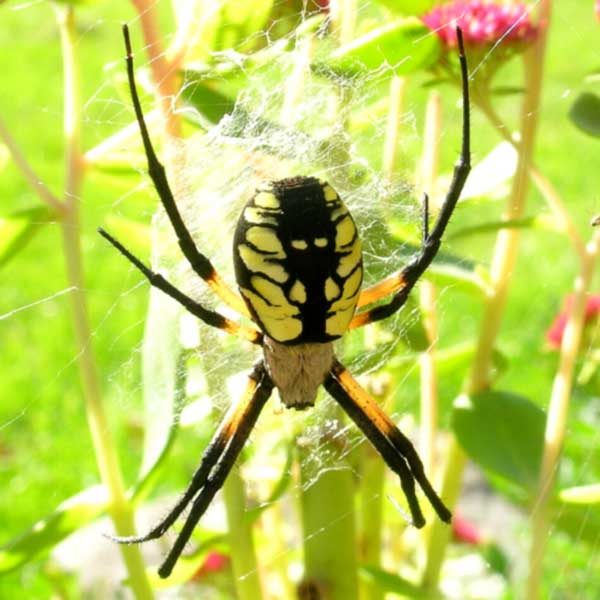
Image credit: Bug Out Service
Jumping Spider
Jumping spiders are small, fuzzy, and cute with big front eyes that make them look curious. The Bold Jumper is common in Florida, often black with colorful marks.
They jump to catch prey instead of using webs. They are active during the day and often seen on walls or plants.
Jumping spiders are harmless and very helpful eaters of pests.
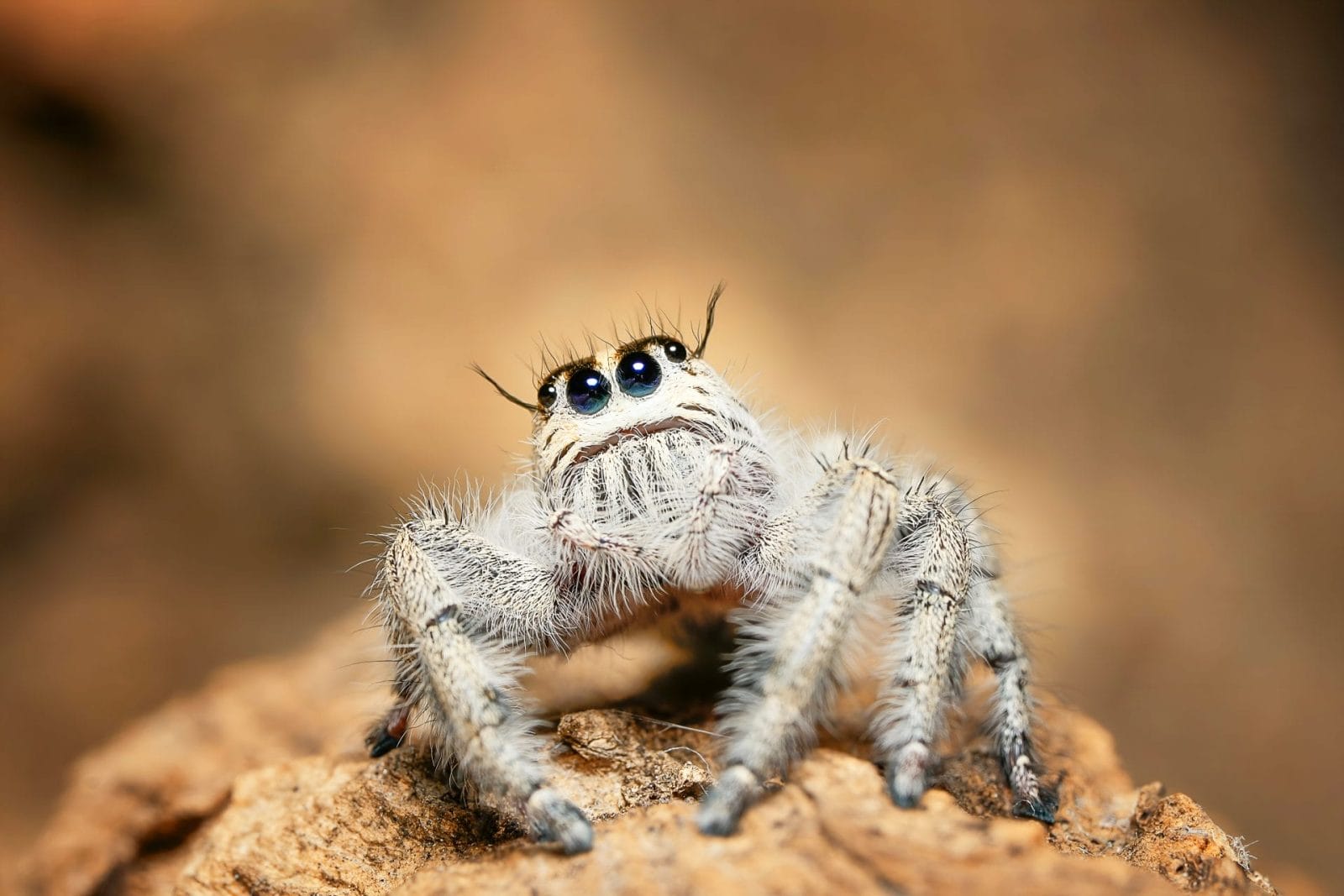
Image credit: One Green Planet
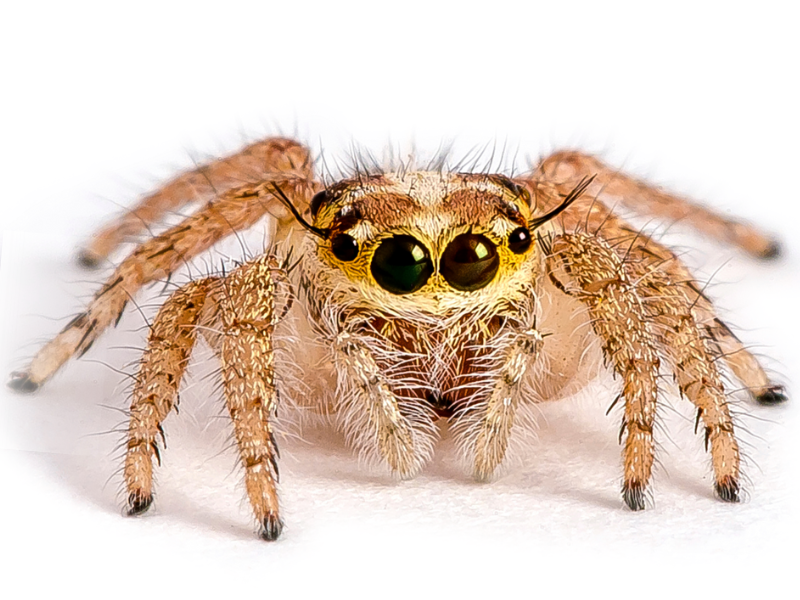
Image credit: Bug Pets UK
Why Spiders Matter in Florida
Spiders are important for the environment. They eat many harmful insects, reducing the need for chemicals in gardens and farms. In Florida, where bugs are plentiful year-round, spiders act as natural pest controllers.
Most bites happen only if a spider is scared or squished. To avoid problems, shake out clothes and shoes, clean dark corners, and seal cracks in homes.
If you find many spiders inside or worry about venomous ones, a professional can help safely.
Florida's spiders show the state's rich wildlife. By understanding them, we can live alongside these helpful creatures without fear.
Understanding Florida's spider species helps us appreciate their role in natural pest control. While most are harmless and beneficial, knowing which to watch for keeps your family safe. For professional spider management with safe, natural methods, our team is here to help.
Need Professional Spider Control?
If you're dealing with spider concerns in your Bonita Springs, Naples, Estero, or Fort Myers home, our natural pest control services can help safely manage spider populations without harsh chemicals.
Get a Free Quote