Understanding Eye Gnats: A Comprehensive Overview
Eye gnats are tiny, non-biting flies that can be extremely annoying because they swarm around faces and feed on moisture like tears, sweat, and mucus. This guide covers identification, behavior, life cycle, Florida prevalence, and practical steps to reduce them around homes and outdoor areas.
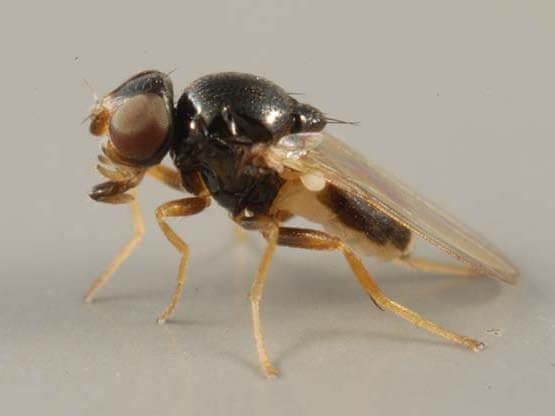
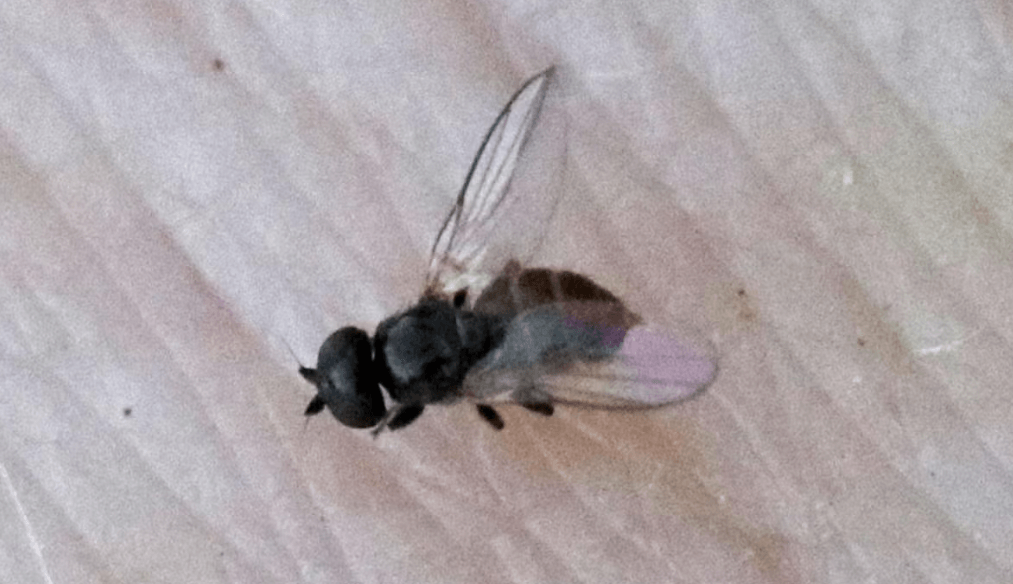
Physical Characteristics of Eye Gnats
Eye gnats are diminutive flies, typically measuring between 1.5 and 2.5 millimeters in length (roughly the size of a pinhead). Their bodies often appear shiny in shades of black or gray, with yellowish legs and wings that are clear or slightly tinted. They have prominent compound eyes and short, segmented antennae that help them sense their surroundings.
Unlike larger flies, eye gnats have a slender build that supports agile, hovering flight. Females have mouthparts adapted for lapping up liquids rather than biting, which fits their habit of seeking moisture and secretions. Their small size and quick movements also make them difficult to swat.
Behavioral Patterns and Feeding Habits
Eye gnats (sometimes called eye flies or grass flies) are notorious for hovering around the face. Adults—especially females—are attracted to eyes, noses, mouths, and areas of perspiration. They feed primarily on bodily fluids such as tears, mucus, sweat, and other moist secretions that provide nutrients needed for egg production.
They do not bite or sting, but their constant landing and hovering can cause irritation and lead people to rub their eyes or skin. Activity is usually highest during daylight hours, especially in the morning and late afternoon when conditions are warm and humid and winds are calmer.
The Life Cycle of Eye Gnats
Eye gnats develop through four stages: egg, larva, pupa, and adult. Depending on temperature and moisture, the full cycle can take roughly two to four weeks.
Females lay eggs in moist, organic-rich soil—often in disturbed areas such as lawns, fields, compost, or garden beds. Larvae hatch within a few days and feed on decaying plant material and microorganisms in the soil for about one to two weeks. They then pupate in the soil and emerge as adults after a short pupal stage.
Habitat Preferences and Global Distribution
Eye gnats thrive in warm, humid environments with loose or sandy soil and plenty of organic material. Disturbed soil (construction zones, tilled fields, heavily watered lawns) can become ideal breeding habitat. They occur across many temperate and tropical regions, with several species common in the southeastern United States.
Prevalence in Florida
Florida’s subtropical climate, frequent rainfall, and sandy soils make it a strong habitat for eye gnats. They can be common around agricultural areas, pastures, and suburban lawns—especially after wet weather that increases soil moisture. Mild winters can allow ongoing breeding in many parts of the state, which is why they can feel “season-long” in some areas.
Impacts on Humans and Animals
The main impact of eye gnats is nuisance and discomfort—especially for outdoor work, sports, and recreation. In heavy swarms, constant contact around the eyes and face can be stressful and distracting.
Because they move between faces, animals, and contaminated surfaces, eye gnats may mechanically carry germs on their bodies. This is one reason good hygiene and eye/face protection can matter during outbreaks—particularly around livestock where eye irritation and infection are common concerns.
Strategies for Control and Prevention
Best results usually come from a combination of habitat changes, personal protection, and targeted interventions.
Habitat Modification
- Reduce wet, organic soil: avoid over-irrigation and improve drainage where possible.
- Remove decaying vegetation and manage compost piles properly.
- In gardens or farms, turning soil and timing cultivation can disrupt development.
Personal Protection
- Use repellent on exposed skin (follow label directions, especially around the face).
- Wear sunglasses and a hat; head nets can help during severe swarms.
- Limit outdoor activity during peak swarm times when practical.
Targeted Treatments
Insecticides can reduce adults temporarily, but long-term relief usually depends on reducing breeding sites. For heavy issues, consider professional help to evaluate conditions and plan a control approach that fits your property and local regulations.
Historical and Scientific Context
Eye gnats have been studied for decades because of their nuisance behavior and their potential to mechanically move microbes between hosts and surfaces. Research has also explored how these flies respond to environmental cues that guide their host-seeking and aggregation behavior. For deeper scientific background, see the research overview from Journal of Economic Entomology and Florida-specific extension guidance published in EDIS.
Conclusion
Eye gnats are tiny, non-biting flies that can still have an outsized impact on comfort—especially in warm, humid areas like Florida. Understanding their life cycle and breeding habits makes it much easier to reduce them. With a mix of prevention, protection, and targeted management, most properties can see meaningful relief.
Need Help Reducing Outdoor Pest Pressure?
PestGone provides professional all-natural pest control designed for Southwest Florida conditions.
Get a Free Quote