Bed Bugs in Florida: Understanding the Problem and Natural Mitigation Strategies Using Tea Tree Oil and Lavender Oil
Bed bugs are a persistent challenge in many regions, and Florida is especially affected due to its warm, humid conditions and high travel volume. This article explains what bed bugs are, why they spread so easily in Florida, how to spot an infestation, and practical natural mitigation strategies using tea tree oil and lavender oil.
Bed Bugs in Florida: Why the Problem Is So Persistent
Bed bugs represent a persistent challenge in many regions, and Florida stands out as a particularly affected area due to its unique environmental and social factors. These small, elusive insects have become a notable concern for residents and visitors alike, prompting increased searches for effective control methods. In recent years, data from pest management organizations indicate that Florida cities frequently rank among the most infested in the United States. For instance, in 2025 rankings, multiple metropolitan areas in the state, including Tampa, Miami, and Orlando, appeared in the top 50 lists for bed bug activity. This article explores the nature of bed bugs, their prevalence in Florida, and practical ways to mitigate or repel them using natural substances such as tea tree oil and lavender oil. Written in straightforward language, it aims to provide clear guidance for those dealing with or seeking to prevent infestations.
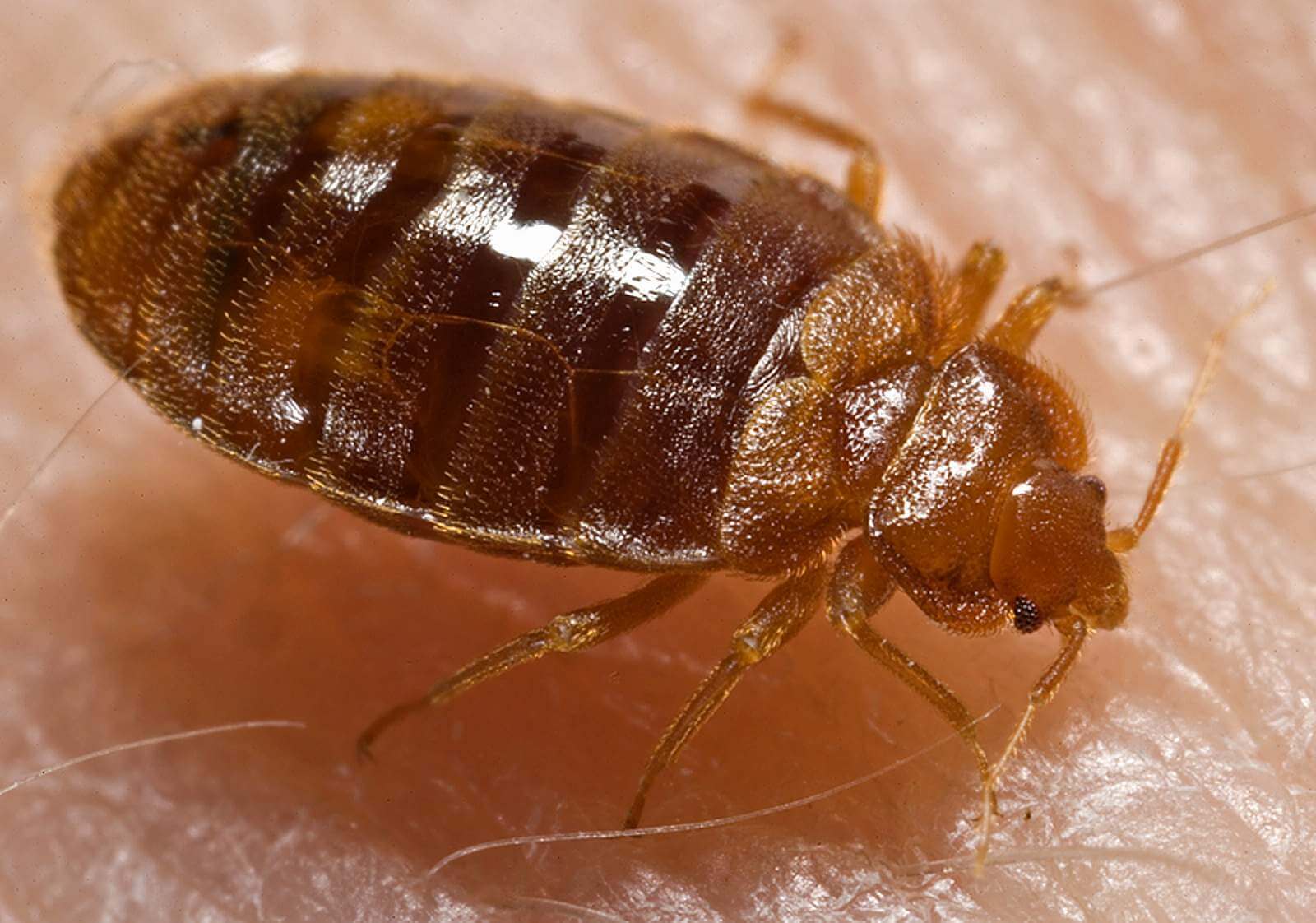
What Bed Bugs Are (Cimex lectularius)
Bed bugs, scientifically known as Cimex lectularius, are tiny, flat-bodied parasites that feed primarily on human blood. They measure about 4 to 5 millimeters in length, roughly the size of an apple seed, and have a reddish-brown color that darkens after feeding. These insects do not fly or jump but crawl quickly across surfaces, making them adept at hiding in cracks, crevices, and fabrics.
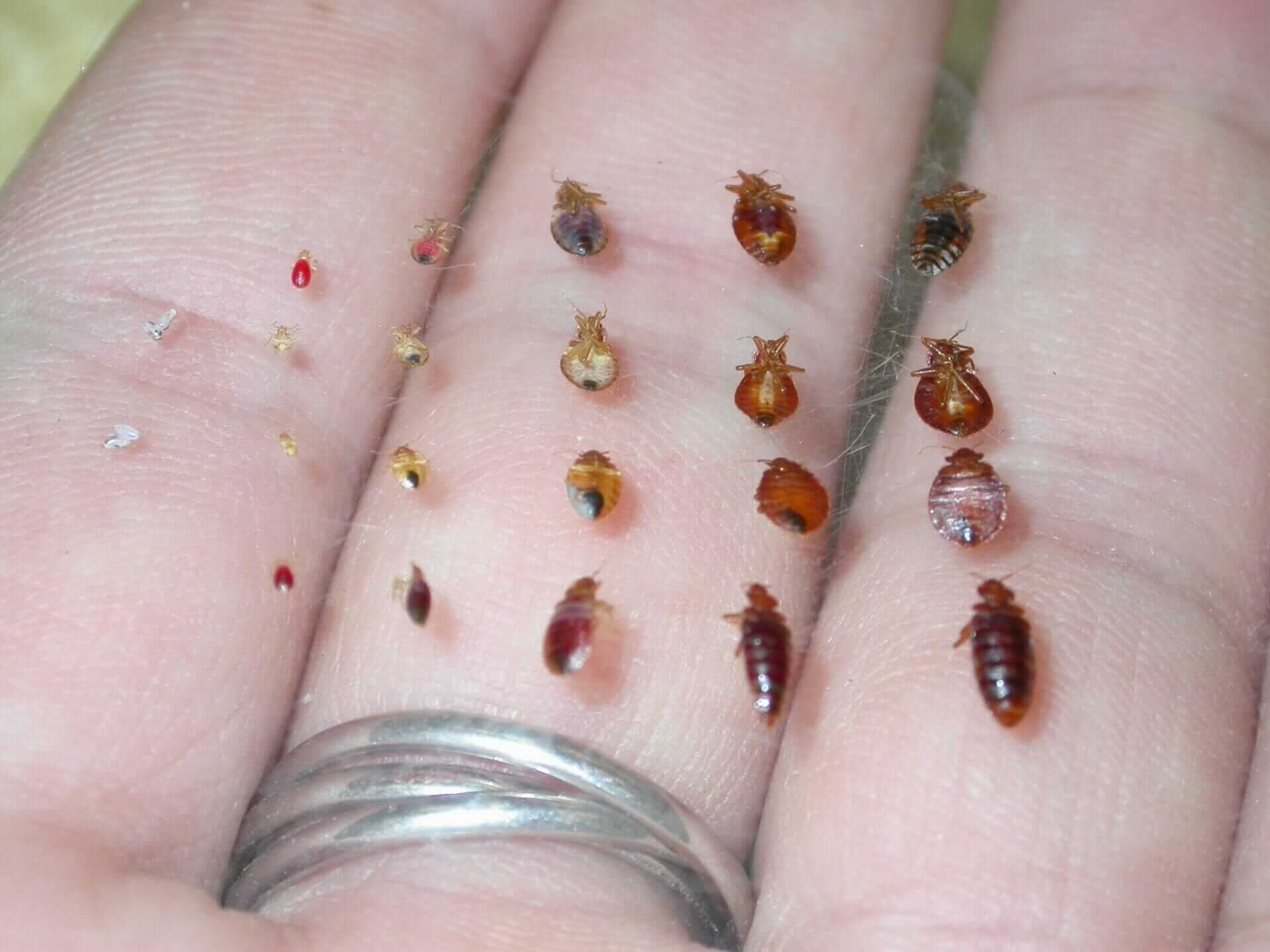
Their life cycle includes eggs, nymphs (young bugs), and adults. Females can lay up to 500 eggs in their lifetime, each egg being white and about 1 millimeter long, often deposited in clusters in hidden spots. Nymphs molt five times before reaching adulthood, requiring a blood meal at each stage. The entire cycle can complete in as little as a month under ideal warm conditions, which Florida's climate provides year-round.
Why Bed Bugs Spread So Easily in Florida
In Florida, bed bugs thrive due to the state's subtropical environment, characterized by high humidity and consistently warm temperatures. These conditions allow bed bugs to reproduce rapidly without seasonal interruptions, unlike in cooler climates where cold weather can naturally reduce populations.
Additionally, Florida's booming tourism industry exacerbates the issue. With millions of visitors annually—over 7.5 million travelers during holiday seasons alone—bed bugs hitch rides in luggage, clothing, and vehicles, spreading from hotels, airports, and public transport to homes. Urban areas with high population density and frequent housing turnover, such as coastal cities, report the highest incidences.
For example, the Miami-Fort Lauderdale region has been identified as one of the worst-affected areas, with infestations commonly reported in hotels and residential buildings. Pest control surveys from 2025 reveal that more than 82 percent of professionals in the field have treated bed bug cases, highlighting the widespread nature of the problem. Regions like Tampa Bay, Central Florida, and South Florida, while not always in the top 10 nationally, consistently rank in the upper tiers, with seven Florida cities making the top 50 in recent reports.
Common Signs of a Bed Bug Infestation
The signs of a bed bug infestation are often subtle at first but become evident with close inspection. Bites appear as small, red, itchy welts, typically in lines or clusters on exposed skin areas like arms, legs, and the neck. These bites can cause allergic reactions in some individuals, leading to swelling or secondary infections from scratching.
Other indicators include dark spots of fecal matter on sheets or mattresses, resembling ink stains, and shed exoskeletons that look like tiny, translucent shells. A musty, sweet odor may also permeate heavily infested rooms. In Florida homes, infestations frequently start in bedrooms but can spread to living areas, furniture, and even vehicles.
Public discussions on platforms like social media underscore these experiences, with users sharing stories of discovering bed bugs after travel or in rental properties. One common scenario involves hotel stays during peak tourist seasons, where unchecked luggage introduces the pests into private residences.

Health and Economic Impacts
The health and economic impacts of bed bugs in Florida are significant. While they do not transmit diseases like mosquitoes, their bites can lead to sleep disturbances, anxiety, and stress-related issues. In severe cases, repeated exposure may exacerbate skin conditions or cause insomnia.
Economically, infestations cost homeowners and businesses thousands in extermination fees, discarded furniture, and lost productivity. Florida's real estate market, particularly in high-turnover areas like Miami, sees additional challenges, as bed bugs can deter buyers or renters. With bed bug outbreaks recurring in metro areas, proactive measures are essential to prevent escalation.
Natural Mitigation Strategies: Tea Tree Oil and Lavender Oil
Traditional mitigation often involves professional pest control, which uses chemical treatments, heat applications, or vacuuming to eliminate infestations. However, many individuals prefer natural alternatives to avoid harsh chemicals, especially in homes with children or pets. Essential oils like tea tree and lavender have gained attention for their repellent and mitigating properties. These oils are most effective as part of an integrated strategy rather than standalone solutions.

Tea Tree Oil: Mitigation and Repellent Use
Tea tree oil, extracted from the leaves of the Melaleuca alternifolia tree native to Australia, possesses natural insecticidal qualities due to compounds like terpinen-4-ol. When applied directly, it can penetrate the bed bug's exoskeleton, causing dehydration and suffocation, effectively killing the insect on contact. It also disrupts the pests' ability to locate hosts by masking human scents.
To use it for mitigation, dilute 20 to 30 drops of pure tea tree oil in 200 milliliters of water in a spray bottle. Shake well and apply to mattresses, bed frames, carpets, and baseboards. For best results, vacuum the area first to remove visible bugs and eggs, then spray liberally, allowing it to dry naturally. Repeat every few days for two weeks to target newly hatched nymphs.
As a repellent, add a few drops to laundry detergent when washing bedding, or place oil-soaked cotton balls in luggage during travel to deter hitchhikers. Precautions are important: always test on a small fabric area to avoid staining, and dilute properly to reduce skin irritation.
Lavender Oil: Preventive Barrier and Bite Comfort
Lavender oil, obtained from the flowers of the Lavandula angustifolia plant, works primarily as a repellent through its strong, floral aroma, which overwhelms bed bugs' sensory receptors and deters them from approaching. Compounds like linalool contribute to this effect, making it unpleasant for the insects to linger.
Unlike tea tree oil, lavender does not typically kill bed bugs outright but discourages feeding and nesting. It can also soothe bite inflammation, reducing itchiness and promoting skin healing. In Florida, where warm nights encourage bed bug activity, lavender oil can be particularly useful for preventive measures in bedrooms.
Prepare a spray by mixing 10 to 20 drops of lavender oil with 200 milliliters of water, optionally adding a teaspoon of witch hazel for better dispersion. Apply to sheets, pillows, and around windowsills before bedtime. For enhanced protection, combine with dried lavender sachets placed under pillows or in drawers.
Combining Tea Tree and Lavender
Combining tea tree and lavender oils can provide a dual-action approach: tea tree may help with contact mitigation, while lavender helps deter activity. A simple recipe involves blending 10 drops each of tea tree and lavender oils with 200 milliliters of water and a few drops of peppermint oil for added potency. Spray on infested areas after thorough cleaning.
In Florida's humid environment, integrate oils with non-oil methods like washing items in hot water (at least 120°F) and drying on high heat to kill eggs. Diatomaceous earth, a natural powder, can complement oils by dehydrating bugs in hard-to-reach spots. Always isolate treated items in sealed bags to contain the spread.
When to Call a Professional
While these oils offer accessible options, they are not foolproof for large-scale infestations, where professional intervention may be necessary. Monitor progress and consult experts if symptoms persist. Preventive habits, such as inspecting second-hand furniture and using mattress encasements, further reduce risks.
Conclusion
Bed bugs pose a notable issue in Florida, driven by climate and travel, but natural remedies like tea tree and lavender oils can provide practical tools for mitigation and repulsion as part of an integrated approach. Consistent effort, thorough cleaning, and awareness remain key to maintaining a bug-free environment.
Need Help With Persistent Pests?
PestGone provides professional all-natural pest control designed for Southwest Florida conditions.
Get a Free Quote