Cedarwood Essential Oil: A Natural Ally in Repelling Snakes
Cedarwood essential oil is a rich, woody oil valued for its calming aroma and long history in natural home care. One of its most interesting uses today is as a natural snake deterrent—helping make an area less inviting by overwhelming a snake’s highly sensitive scent system.
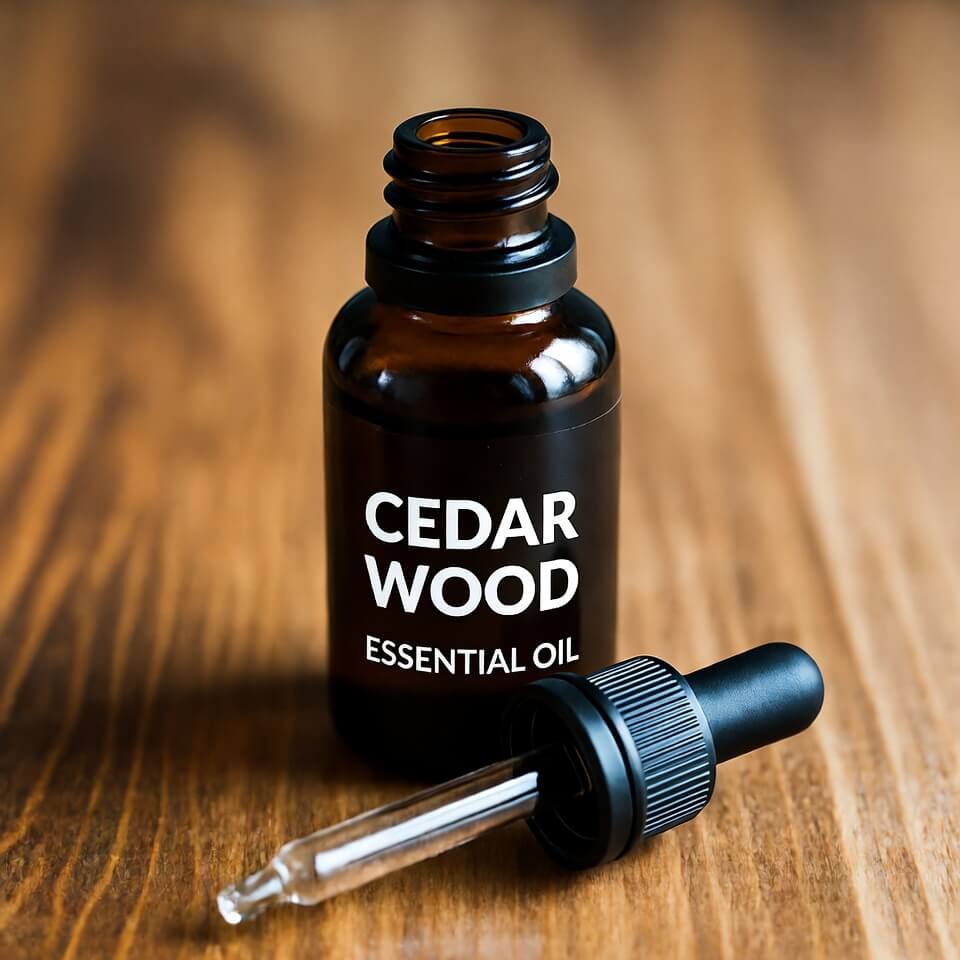
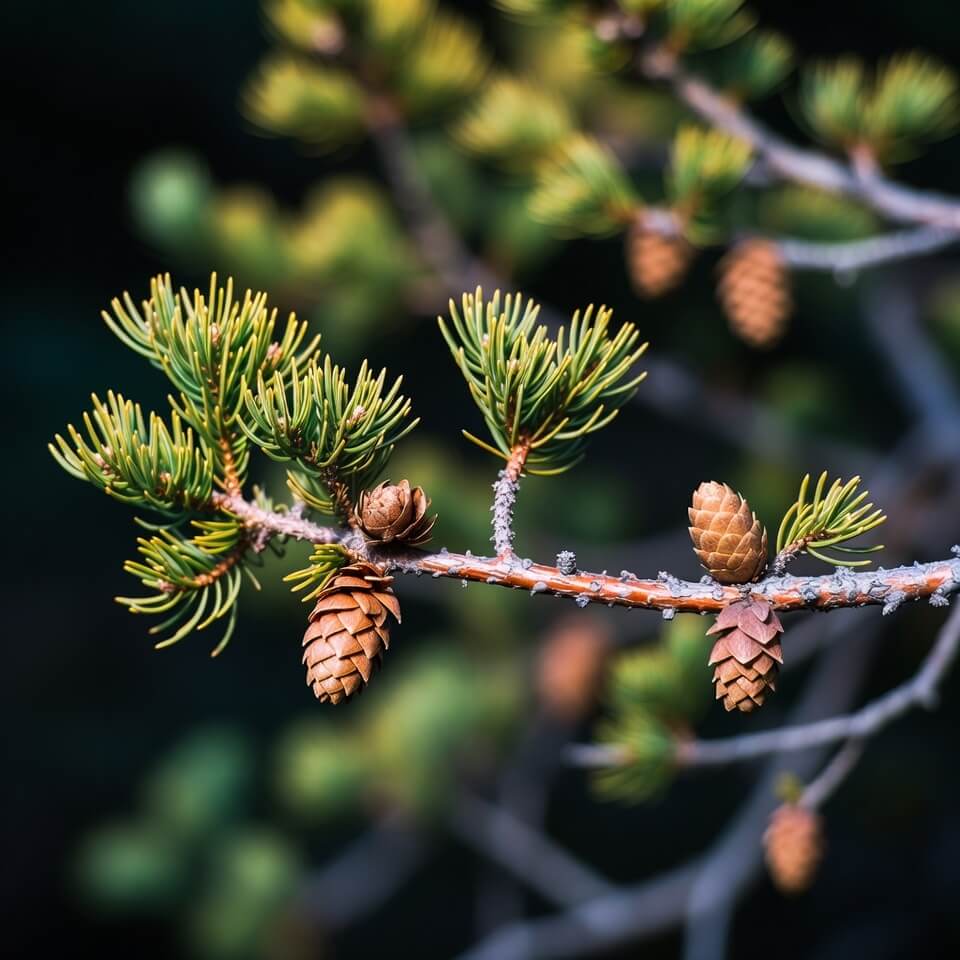
What Is Cedarwood Essential Oil?
Cedarwood essential oil is derived from the wood of cedar trees, which are tall, evergreen conifers known for their sturdy trunks and fragrant timber. These trees belong to the pine family, though the oil often labeled “cedarwood” comes from related species like junipers or cypresses. The oil is extracted through steam distillation of wood chips, sawdust, or branches, resulting in a thick, golden liquid with a warm, woody, and slightly balsamic scent that evokes the deep aroma of an ancient forest.
Common Types of Cedarwood Oil
There are several types of cedarwood essential oil. The most common include Atlas cedarwood from the Cedrus atlantica tree in Morocco, Himalayan from Cedrus deodara in India, Virginia from Juniperus virginiana (Eastern red cedar) in North America, and Texas from Juniperus ashei. Each variety shares a rich, grounding fragrance, but they differ slightly in intensity and notes—Atlas is balsamic and rich, while Virginia is drier and sharper. Despite these variations, all contain key compounds like cedrol and cedrene, which give the oil its distinctive properties.
Why Cedarwood Oil May Help Repel Snakes
One of the most intriguing uses of cedarwood essential oil is as a natural repellent for snakes. Snakes rely heavily on their keen sense of smell to navigate, hunt prey, and find shelter. They use a forked tongue to collect scent particles from the air and ground, transferring them to a special organ in the roof of their mouth called the Jacobson’s organ. Strong, unfamiliar odors can overwhelm this system, creating discomfort and confusion that encourages snakes to avoid the area.
Cedarwood oil’s deep, earthy woody scent is particularly unpleasant to many snake species. It disrupts their ability to detect food sources or safe hiding spots by masking natural odors in the environment. The oil may also act as a mild irritant to their sensitive sensory receptors, prompting them to slither away in search of more comfortable surroundings. In some cases, the fragrance interferes with pheromone trails that snakes follow.
What the Evidence Says
Limited scientific research supports this repellent effect. A study on brown tree snakes, an invasive species, found that aerosolized cedarwood essential oil caused strong avoidance behaviors, similar to other potent oils like cinnamon or clove. While more studies are needed across different snake types, anecdotal reports and commercial natural repellents frequently include cedarwood for its reliability. It is often blended with clove or cinnamon oils for enhanced results, as these spicy scents add an extra layer of sensory overload.
How to Use Cedarwood Oil as a Snake Repellent (Safely)
To use cedarwood essential oil effectively as a snake repellent, start with simple, safe methods. Always dilute the oil, as it is concentrated and can irritate skin or surfaces if used undiluted.
Spray Method
Mix 20–30 drops of cedarwood essential oil with 1 cup of water and 1 teaspoon of mild dish soap (to help it mix). Pour into a spray bottle and shake well. Apply around entry points like doors, windowsills, garden borders, or areas where snakes have been spotted. Reapply every few days or after rain, as the scent fades over time.
Cotton Ball Method
Soak cotton balls in cedarwood oil (or a blend with clove or cinnamon) and place them in problem spots, such as under porches, in sheds, or near woodpiles. This creates concentrated scent barriers without widespread spraying.
Outdoor Support Strategies
For larger outdoor areas, some people add cedarwood oil to mulch or scatter cedar chips, which release the aroma slowly. Diffusers can work indoors to maintain a snake-discouraging atmosphere, though direct application is more targeted.
Safety Notes and Best Results
Cedarwood oil is generally safe for humans, pets, and the environment when used properly—it is biodegradable and non-toxic in moderation. However, test small areas first, avoid contact with eyes, and consult a professional if dealing with venomous snakes. It works best as part of a broader strategy: remove debris, trim grass, and eliminate rodent prey to make your space less inviting overall.
Conclusion
In summary, cedarwood essential oil offers a gentle yet effective natural option for deterring snakes through its powerful, lingering woody fragrance. Used correctly, it can help discourage snakes without harsh chemicals—especially when combined with good yard maintenance and prevention steps.
Need Help Keeping Pests Away Naturally?
If you want a safer, eco-friendly approach to pest pressure around your home, PestGone provides professional all-natural pest control for Southwest Florida.
Get a Free Quote